Barclays Mindset
The Brief
Capture the hearts and minds of new joiners on day one
Barclays needed a single, compelling film to introduce every new employee to the Barclays Mindset — the behaviours of Empower, Challenge, and Drive. It had to land emotionally, avoid corporate cliché, and make people feel what those words actually meant in practice.
The Solution
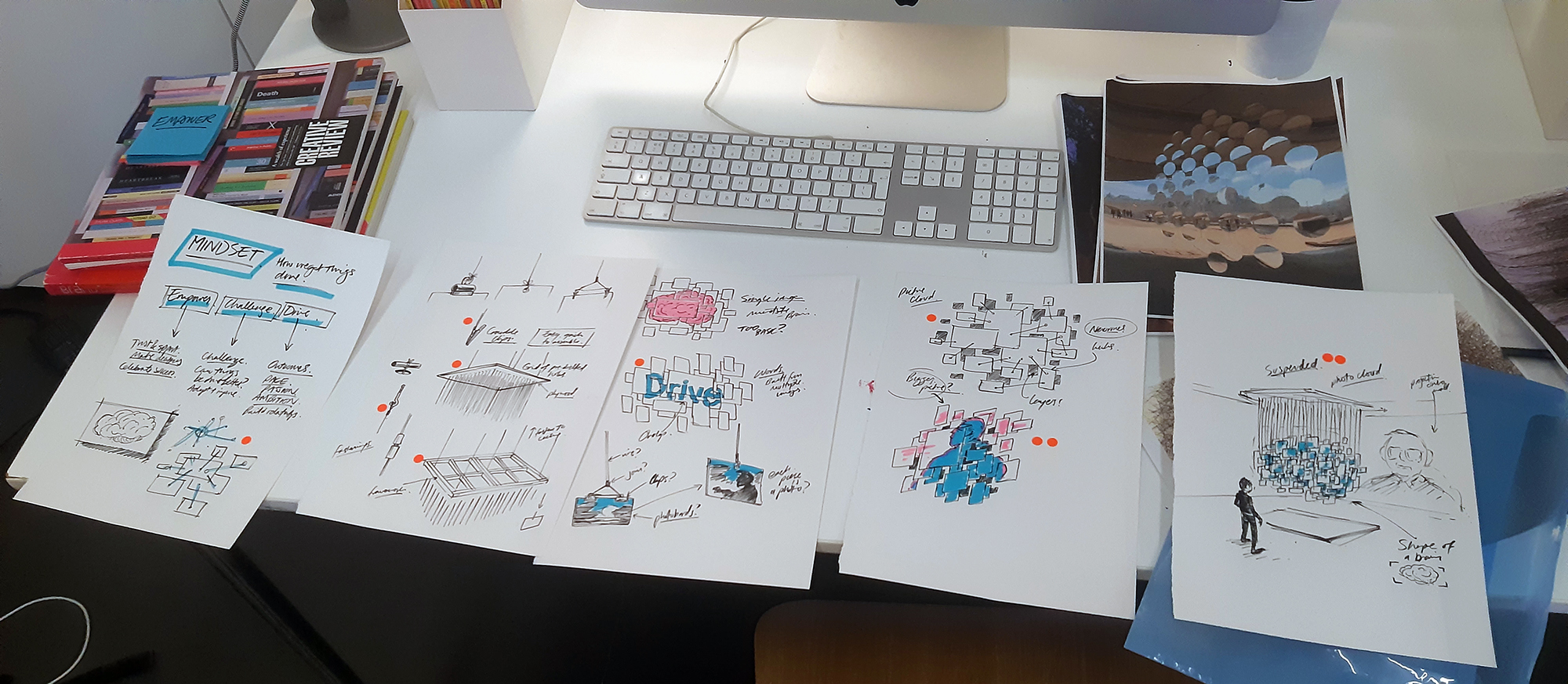
Build a giant brain. Fill it with real stories
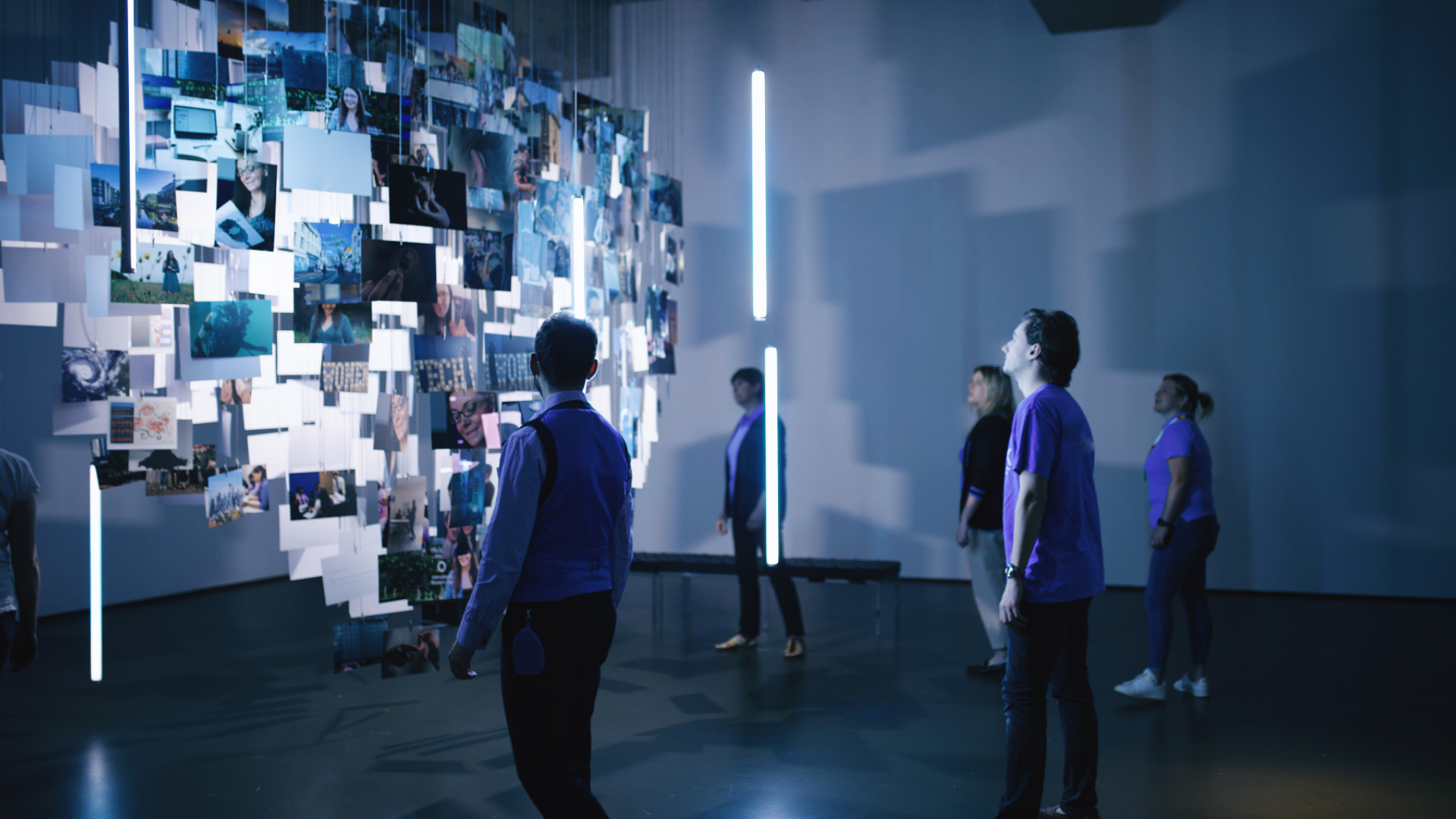
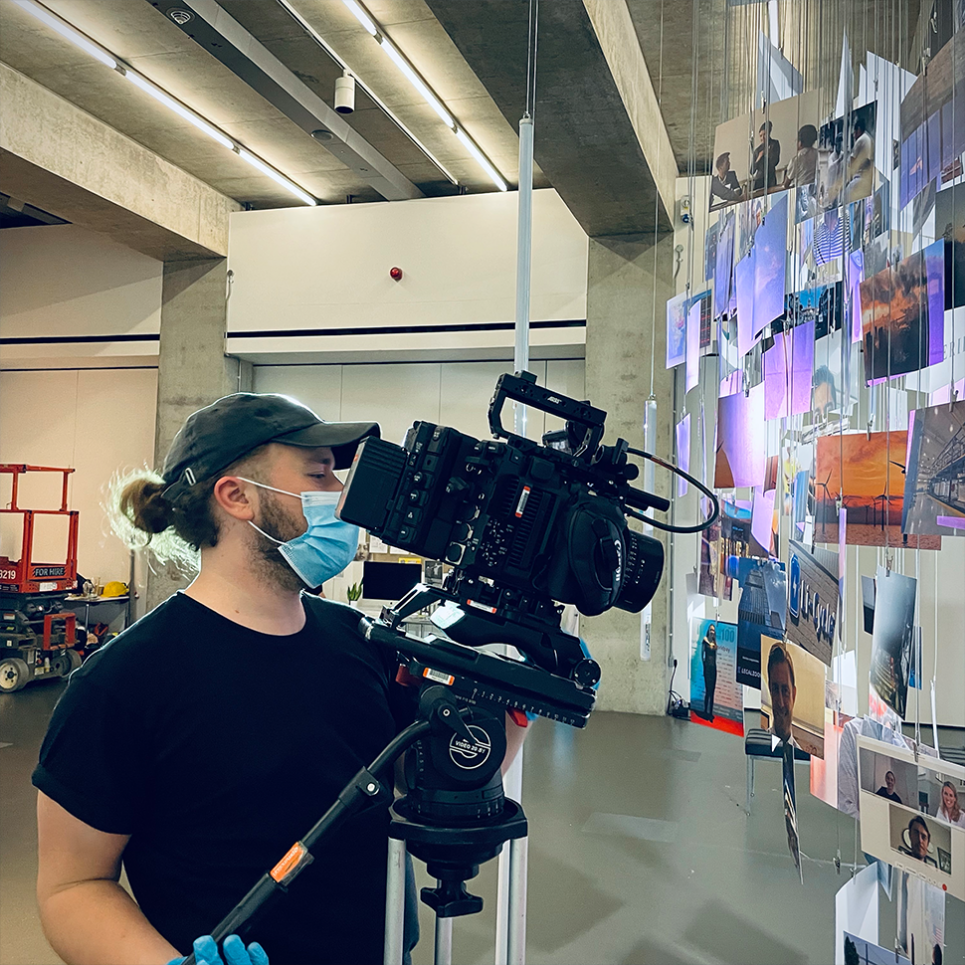
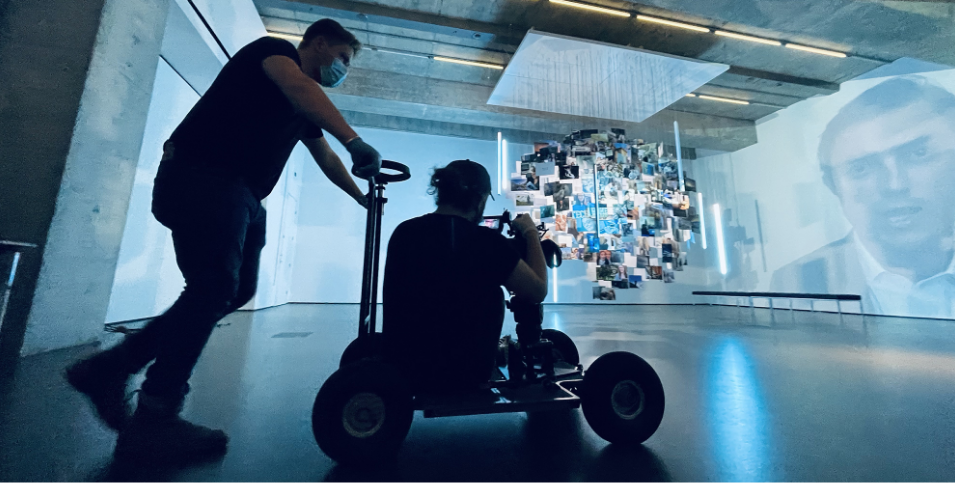
A cinematic film built around a monumental physical installation — a human brain constructed from 400 photographs of Barclays colleagues around the world. Three real employee stories, projected five metres tall, bring the Mindset behaviours to life through personal accounts of extraordinary everyday action.
The Barclays Mindset — Feature Film
Background
Behaviours, not buzzwords. The brief demanded authenticity
Barclays wanted to make Mindset behaviours directly applicable to everyday working life. The risk was ambiguity and corporate jargon — exactly the kind of content that gets forgotten before lunch on an induction day. Barclays had seen this before — induction content that scored well for comprehension but poorly for emotional connection. New joiners could recite the Mindset behaviours. They couldn’t feel them.
The team agreed that personal stories from colleagues who could directly relate these behaviours to their jobs would be essential. After extensive research calls, three employees were identified across the UK, US, and India.
Among them: a colleague who learned sign language at night school to help a deaf customer and now teaches it across the UK. Another leading environmentally focused enterprise finance. A third who invented a natural disaster resilience app to protect colleagues working from home during cyclone season.
Our Approach
Turn restrictions into invention
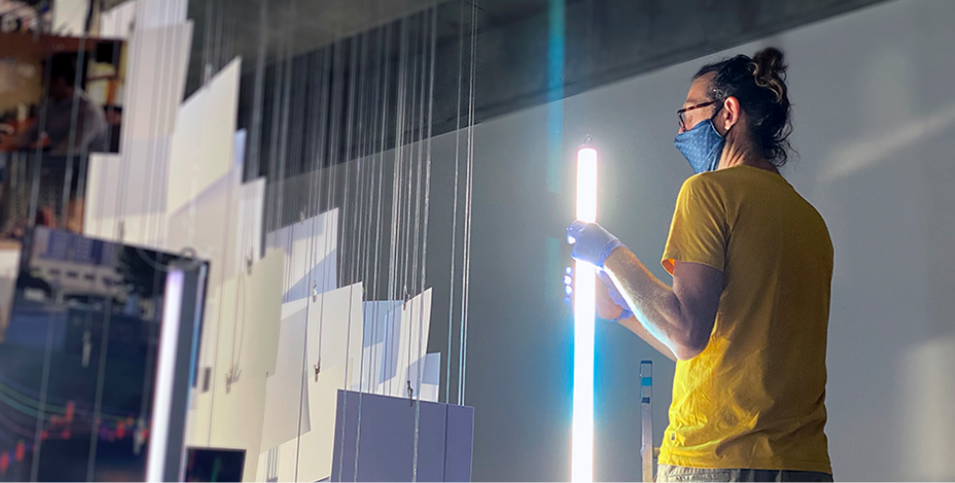
Covid made face-to-face filming impossible. The restrictions forced a more conceptual solution: source and organise 400 colleague photographs into a vast brain-shaped gallery installation, then project three employees’ self-recorded testimonies five metres tall across an entire gallery wall.
The lighting design drew inspiration from Cornelia Parker’s Cold Dark Matter — a single high-powered LED hung at the centre of the installation, moved remotely to cast dramatic shadows of the photographs around the gallery space. Typography was projected onto the brain itself, keeping the Mindset behaviours front and centre.
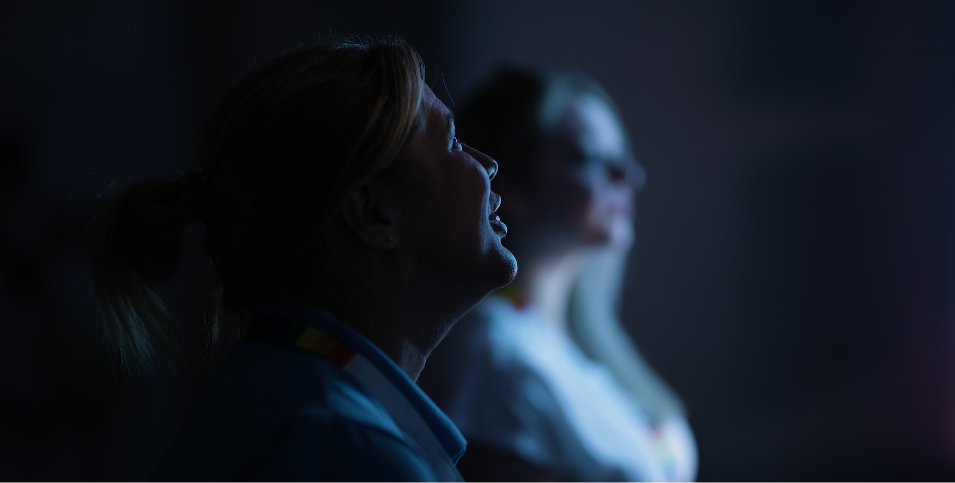
An actor, playing an artist constructing the installation, guides the viewer through the film without ever being formally introduced. The final reveal — the audience sees the complete brain for the first time, lit and filled with colleagues who come to take it in — ties everything back to the Barclays Mindset with genuine emotional weight.
Key Project Assets
Brain Installation Film
A cinematic internal communications film built around a physical gallery installation of 400 colleague photographs, shaped as a human brain and lit for dramatic effect.
Three-Country Employee Testimonials
Self-recorded stories from real Barclays colleagues in the UK, US, and India — each illustrating Empower, Challenge, or Drive through lived professional experience.
Gallery Installation & Projection Design
A bespoke physical installation combining photography, projected typography, and dramatic lighting to create a single, unforgettable visual centrepiece for the film.
Impact
The film has been widely praised internally as inspiring, moving, and original — a standout piece in a major internal campaign.
In Production
Project Insights
From restriction to revelation
Covid shut every door to traditional production. What it opened was better: a conceptual approach that turned four hundred photographs into something monumental, personal stories into projected theatre, and a remote production process into proof that constraint breeds creativity.
The brain installation isn’t a metaphor for the Barclays Mindset. It is the Barclays Mindset — hundreds of real people, thinking and acting in ways that make a difference. When you can see that in a room, you don’t need anyone to explain it.
It’s being really well received here, and these stories, and how they’re told, are striking a chord.
Gary Sutton, Learning Designer — Barclays