Coaching Mindset
The Brief
Turn managers who tell into leaders who ask
A professional services client was investing heavily in coaching as a leadership capability, but adoption was inconsistent and confidence was low. Managers knew coaching mattered — they just didn’t know how to do it. Without a scalable way to build the skill, the gap between intent and practice was widening with every promotion cycle.
The Solution
Show the conversation, not the theory
A three-part dramatised film series depicting realistic coaching scenarios — paired with self-reflection exercises that turned viewing into practice. No lecture slides. No role-play awkwardness. Just three workplace moments that show what a coaching mindset looks and sounds like, designed to be completed in thirty minutes.
There’s a story behind the story
This case study is under wraps. Enter the password to see the full work — or drop us a line and we’ll let you in.
or get in touch
Coaching is a competitive advantage. Most managers have never been taught how
Deloitte wanted every professional to engage in coach-like conversations — fostering self-awareness, building confidence, and creating more productive working relationships. The aspiration was clear. The capability wasn’t.
The challenge was nuance. There is no single correct way to coach, but there are highly effective methods. Most managers default to telling rather than asking — giving answers instead of drawing them out. That habit is expensive: it limits team development, creates dependency, and stifles the independent thinking that professional services firms depend on.
Coaching training existed, but it was inconsistent across the firm and disconnected from daily working life. The brief demanded something practical, scenario-based, and completable within a busy schedule.
Coaching Mindset — The First Meeting
Our Approach
Make the audience a participant, not a spectator
We collaborated extensively with Deloitte’s stakeholders to get the tone right. Coaching is a nuanced conversation within the firm — prescriptive content would have undermined the very mindset it was trying to build.
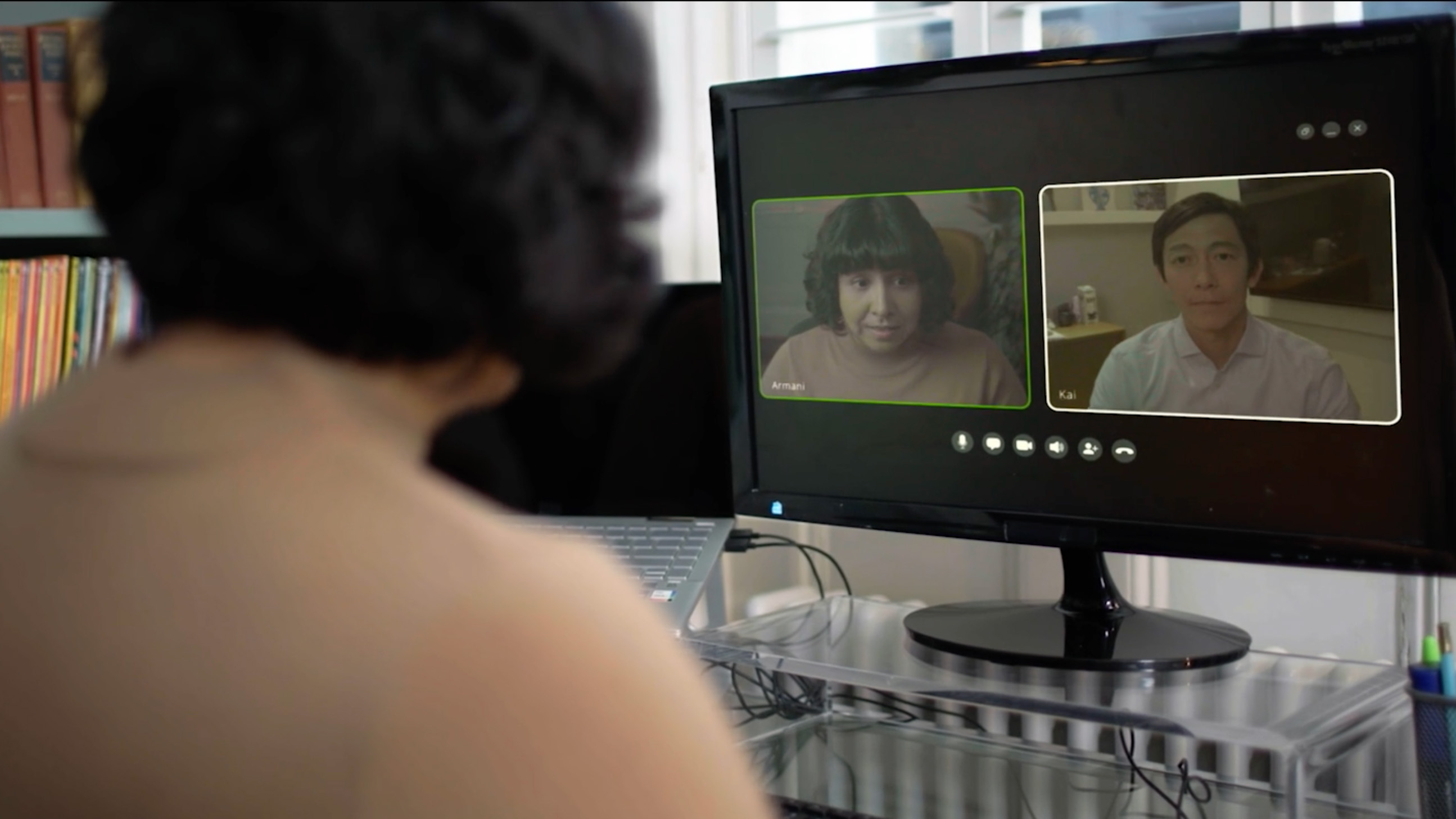
We developed three dramatised films, each depicting a common coaching scenario. The characters addressed the camera directly, breaking the fourth wall to create the sensation of being in the conversation rather than watching it. The learner isn’t an observer — they’re an active participant.
Following each film, self-reflection exercises prompted learners to assess their own coaching abilities and identify areas for growth. The module was designed to be completed in approximately thirty minutes — short enough for a busy diary, long enough to shift a habit.
Key Project Assets
Three-Part Dramatised Coaching Film Series
Realistic workplace scenarios filmed with direct-to-camera address, placing the learner inside the coaching conversation rather than outside it.
Self-Reflection Assessment Framework
Structured exercises following each film, enabling learners to evaluate their own coaching practice and identify specific areas for growth.
Thirty-Minute Micro-Module Design
A complete coaching skills experience designed for time-poor professionals — practical, scenario-based, and built to fit between meetings.
Impact
The experience gave Deloitte’s US professionals a practical, accessible route into coaching — building the consistent, effective coaching culture the firm’s leadership strategy demanded.
Project Insights
From telling to asking
Most coaching training fails because it lectures people about listening. The irony is structural. We solved it by showing, not telling — putting learners inside realistic conversations and letting them see the difference a coaching mindset makes.
Three scenarios. Thirty minutes. A camera that looks you in the eye. Sometimes the most effective way to teach someone to ask better questions is to stop giving them answers.
The coaching conversation is a nuanced one within the firm. We needed content that modelled the mindset, not just explained it — and that’s exactly what this experience delivers.
Paul Mallaghan, Director of Creative Strategy & Content — We Are Tilt